While stronger activities are sometimes deserved, sometimes they are just bad pacing. For aestheticians, the challenge is not simply recommending retinol for sensitive skin. It helps your client’s skin –
- Recognize an active ingredient
- Respond to it
- Stay comfortable enough to keep going.
To be honest, tolerance does not mean forcing the skin through visible discomfort. Rather, it means creating a protocol in which the barrier remains supported while the active does its work gradually. Therefore, the first goal is rhythm, followed by strength and consistency.
What Skin Tolerance Actually Means
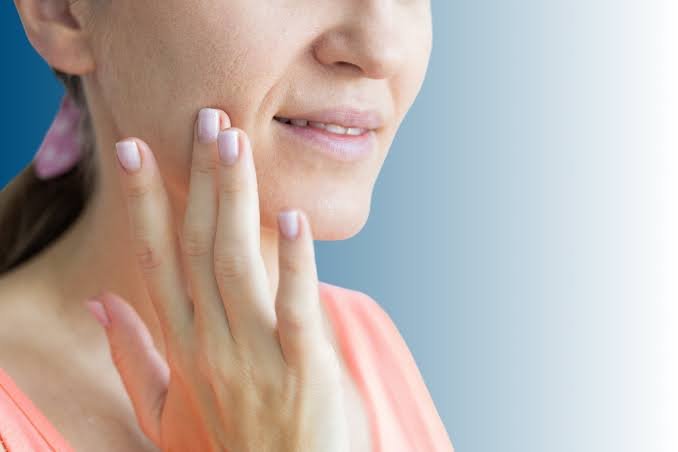
Primarily, skin tolerance refers to the way your client’s skin adapts to ingredients that encourage renewal, refinement, or visible texture improvement. The following all fall into this category-
- Retinoids
- Exfoliating acids
- Brightening agents
However, the tolerance-building process varies depending on the client’s barrier status and history.
For sensitive clients, tolerance is less about “pushing through.” Rather, it is more about reducing unnecessary friction. In fact, the protocol needs more support before introducing actives, if the skin –
- Feels tight after cleansing
- Flushes easily
- Reacts to seasonal shifts.
Otherwise, even good formulas might feel like too much.
Retinol for Sensitive Skin: A Tolerance-First Protocol
When using retinol for sensitive skin, aestheticians should think in phases rather than product steps.
- Start with barrier stability
- Introduce a low-frequency active night
- Increase only when the skin shows comfort.
In those cases, a chirally correct retinol formula with biomimetic ingredients might be a smart choice. This works when the goal is controlled renewal with a more skin-compatible feel.
Basically, chirally correct ingredients are selected so the skin recognizes them more efficiently. Meanwhile, biomimetic ingredients mimic or support natural skin processes.
| Protocol Phase | Professional Goal | Formula Direction |
| Barrier Prep | Improve comfort before active use | Gentle cleanser, hydrating serum, barrier-supportive moisturizer |
| Introduction | Begin renewal without crowding the routine | Low-frequency retinol or retinol-alternative formula |
| Stabilization | Maintain visible refinement with fewer setbacks | Alternate active nights with recovery nights |
| Optimization | Increase only if the skin stays calm | Adjust frequency before increasing strength |
The Barrier Comes First, Even When Results Are the Goal
The skin barrier is not a side note in active routines. In fact, it decides how well the client tolerates the plan.
When the barrier feels supported, stronger ingredients may feel smoother. Also, it might feel less prickly and easier to continue. However, when the barrier feels underfed, even gentle skincare activities feel surprisingly sharp.
This is why a sensitive skin routine should not start with the strongest product in the room. Instead, aestheticians must build the foundation with –
- A mild cleanser
- Humectant hydration
- A moisturizer that helps maintain comfort.
Then the active has somewhere stable to land.
Introducing Actives Without Overloading the Skin
Introducing activities works best when the routine gets quieter, not busier. It is about introducing one new active at a time and one active night at a time. Then, there must be a few recovery nights where the client focuses on hydration, barrier comfort, and sunscreen.
A good starting rhythm may look like this:
- Week One. Use the active one night only, then follow with moisturizer.
- Week Two. Repeat once or twice if the skin feels calm.
- Week Three. Continue the same rhythm before increasing frequency.
- Week Four. Add another active night only if comfort remains steady.
For clients beginning retinol for sensitive skin, the active ingredient should not be used alongside exfoliating acids on the same evening. Rather, keep lactic acid, PHA, and enzyme exfoliation on separate nights, if used at all during the first month.
How Long Does It Take to Build Tolerance?
In general, most clients need several weeks to understand whether an activity truly fits their skin. Some adjust within two to four weeks, while others need six to eight weeks. This happens especially if their barrier starts out reactive. Also, it is common when their routine includes post-procedure care.
Tolerance-building is also not a straight line. For instance, the following factors can all affect how the skin responds:
- Weather changes
- Stress
- Travel
- Over-cleansing
- Skipped moisturizer.
Therefore, aestheticians should assess patterns rather than react to a single slightly dry morning.
| Skin Response | What It May Mean | Protocol Adjustment |
| Mild dryness only | Skin may be adapting | Add hydration, keep frequency steady |
| Tightness after cleansing | Barrier needs more support | Reduce active nights and soften cleansing |
| Persistent warmth or visible flushing | Active load may be too high | Pause active use and focus on recovery |
| Smoother texture with comfort | Protocol is likely appropriate | Maintain before increasing strength |
Product Mapping for a Safer Active Routine
At the outset, a tolerance-building routine should match each formula to a role.
- Cleanser should be prepared without leaving the skin squeaky.
- Hydrating serum should support water balance.
- The active should focus on renewal.
- Moisturizer should help reduce the chance of dryness.
- Morning SPF should protect the skin.
For active nights, a rapid-renewal serum is needed. It must be formulated with retinol, chirally correct delivery, and biomimetic support ingredients. This might help refine the look of skin texture and uneven tone. Meanwhile, it must keep the protocol intact. However, it should still start slowly, especially for clients new to stronger activities.
What to Avoid When Building Tolerance
The biggest issue is usually not the activity itself. Rather, it is the stack around it. For instance, a client adds retinol and keeps exfoliating. Then, they might use a foaming cleanser twice daily. Also, they might skip moisturizer entirely. This leads to skin issues. So, it is better to avoid the following:
- Starting multiple strong activities in the same week.
- Layering retinol with exfoliating acids during the introduction phase.
- Increasing frequency when the skin already feels tight or warm.
- Treating peeling as proof that the product is “working better.”
Pro Tip: Increase Frequency Before Strength
When the skin tolerates one active night well, increase to two nights before choosing a stronger formula. This is because frequency teaches consistency. Meanwhile, strength should come later. It happens only when the skin has shown it stays calm, hydrated, and visually balanced.
This approach also helps aestheticians read the skin more clearly. If the client reacts, the trigger is easier to identify. However, if the client improves, the protocol might move forward without unnecessary guesswork.
Stronger Actives Work Better When the Skin Feels Ready
In the end, building tolerance is not about making sensitive skin act tough. Rather, it is about providing the skin with a stronger framework for renewal, support, and visible improvement.
It is important to rely on chirally correct formulas and biomimetic ingredients. So, along with a phased protocol, retinol for sensitive skin becomes more approachable and less unpredictable.
For best results, clients should follow an aesthetician-guided plan. Also, they must choose clean, clinical skincare formulas that respect the skin barrier while supporting long-term refinement.