Key Takeaways
- Personal liability insurance safeguards your finances against claims of injury or property damage caused by you or your household members.
- Standard homeowners’ policies typically include personal liability coverage, but the limits may not be sufficient for all situations.
- Umbrella insurance provides additional liability protection beyond standard policy limits, offering broader coverage.
- Regularly reviewing and updating your liability coverage ensures it aligns with your current assets and potential risks.
Understanding Personal Liability Insurance
Personal liability insurance is a fundamental component of most homeowners’ insurance policies. Its primary function is to protect you from the financial consequences of being found responsible for injuries to others or damage to their property. This kind of coverage is not limited to incidents that happen only at your residence; it often provides protection for events that occur elsewhere as well. For example, if a visitor slips and falls in your home, your personal liability coverage could help pay medical bills and legal expenses that result from the incident. Similarly, if your child accidentally breaks a neighbor’s expensive window, the policy can help cover the repair costs and shield your finances from sudden, large out-of-pocket expenses. According to The Hartford, having personal liability coverage ensures you are prepared for a variety of unexpected events that could otherwise create a significant financial burden.
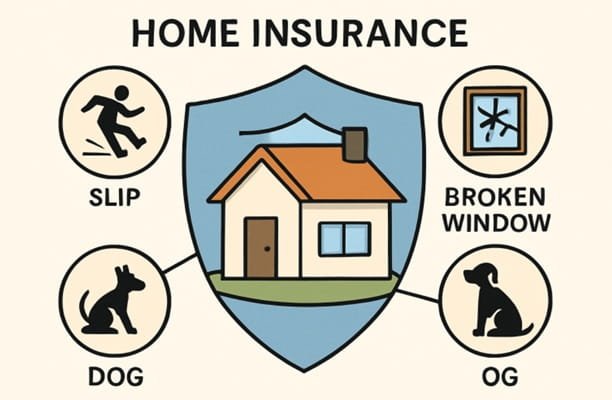
The coverage offered by personal liability insurance often extends beyond your physical home. For instance, if you’re involved in an incident elsewhere, like your dog causing an accident at a park, your personal liability coverage could also apply. The peace of mind this brings makes personal liability insurance a key part of a comprehensive risk management plan for homeowners.
Common Scenarios Covered by Personal Liability Insurance
- Injuries on Your Property: If a guest suffers an injury on your property and you are found responsible for the conditions that contributed to the incident, personal liability insurance can help with both medical bills and legal costs. This could include slips on icy walkways or trip-and-fall accidents at a backyard gathering.
- Property Damage: Accidental damage caused by you, a family member, or even your pet to someone else’s property is covered by most standard policies. For example, if your child hits a baseball through a neighbor’s window or your pet damages furniture while visiting friends, these damages can fall under your liability protection.
- Dog Bites: In many cases, if your dog bites a guest or stranger, personal liability insurance can cover associated medical expenses and even legal defense costs. However, some policies have breed or history restrictions that exclude certain types of dogs, so it’s important to review the specifics of your policy.
These scenarios illustrate the importance of comprehensive coverage that can respond to both common mishaps and unusual accidents. Without it, the costs of legal defense alone could stretch into the tens of thousands, even for relatively minor incidents. Reviewing real-world stories and guidance from trusted sources such as NerdWallet can help you better understand the full extent and value of personal liability protection.
Limitations and Exclusions
While personal liability insurance offers broad protection, it is important to understand its limits and exceptions. Most policies contain several exclusions you should be aware of when evaluating your personal risk exposure.
- Intentional Acts: Any damage or injury caused intentionally by you or a covered family member is excluded from coverage. If, for example, property damage or bodily harm is caused deliberately, you would be responsible for all related costs out of pocket.
- Business Activities: If you operate a business out of your home, personal liability claims linked to your business operations are not covered under a standard homeowners policy. You would need a separate business policy to avoid exposure.
- Automobile Accidents: Claims resulting from auto accidents fall under your car insurance, not homeowners’ liability coverage. If you are involved in a vehicle-related incident, your personal liability portion of your auto insurance would respond to those claims.
The Role of Umbrella Insurance
For those with significant assets, higher-risk lifestyles, or concerns about potential high-dollar claims, umbrella insurance is an essential add-on. Umbrella policies kick in after you reach the liability limits of your homeowners or auto policy, providing additional coverage that can often range from $1 million to $5 million or more. This extra protection is vital if you own high-value property, have a swimming pool, or frequently host large gatherings that increase the chance of incidents.
Beyond supplementary financial protection, umbrella insurance policies also tend to cover claims that may be excluded from basic liability policies, such as allegations of libel, slander, or false arrest. To understand more about the advantages and conditions of umbrella policies, resources from major publications such as Forbes offer practical insights and scenarios.
Assessing Your Coverage Needs
Determining the right amount of personal liability coverage requires examining your assets, lifestyle, and potential areas of risk. While most homeowners’ insurance policies offer $100,000 to $300,000 in liability coverage as a standard part of the package, the growing scale of injury and property damage settlements makes it prudent to consider higher limits, especially if you have substantial assets or savings you wish to protect from lawsuits.
Consulting with an insurance professional can provide clarity on the specific risks you face and the best coverage configuration for your situation. They can help tailor your policy to account for factors like new vehicle purchases, swimming pools, teenage drivers, or additions to your family, such as a dog.
Regular Policy Reviews
Life changes rapidly, and so can your liability exposures. Whether you add a dog to your family, start working from home, or make improvements to your property that attract more visitors, your liability needs may evolve. Regularly reviewing and updating your policies with your insurance professional is crucial to ensure your protection keeps pace with your lifestyle and asset growth.
Set an annual reminder to assess your policy limits, exclusions, and new risk factors. Continuous policy reviews can prevent future insurance gaps and help you adapt to new exposures before a claim arises.
Conclusion
Personal liability insurance is a foundational element of a solid financial protection strategy, shielding you from the potentially devastating economic effects of accidents and lawsuits. By understanding your policy, recognizing its limits, and considering supplemental coverage such as umbrella insurance, you ensure robust, well-rounded protection for your long-term financial stability and peace of mind.