As professionals move into senior roles, the scope and complexity of their responsibilities expand significantly. Projects are no longer limited to timelines and deliverables; they involve cross-functional coordination, strategic alignment, risk management, and stakeholder influence. In this context, advanced project management skills become essential for effective leadership.
Senior professionals are expected to translate strategy into execution, manage uncertainty, and ensure that initiatives deliver measurable business value. Strong project management capability supports this transition by enabling disciplined execution at scale.
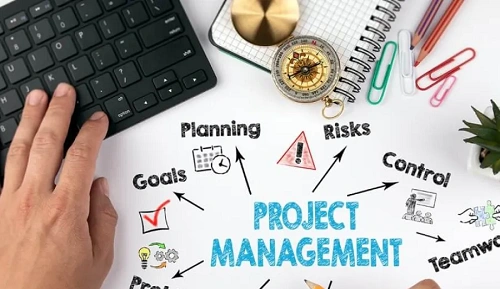
The Changing Nature of Projects at Senior Levels
At senior levels, projects are often enterprise-wide initiatives that impact multiple functions and stakeholders. These initiatives require leaders to balance competing priorities, manage limited resources, and navigate organisational complexity.
Advanced project management helps senior professionals move beyond task-level coordination to strategic oversight. It enables leaders to align projects with business objectives, anticipate risks early, and maintain accountability across teams. As a result, project management becomes a leadership capability rather than a purely operational skill.
Key Advanced Project Management Skills Senior Professionals Need
To manage complex initiatives effectively, senior professionals must develop project management skills that support strategic execution.
Some of the most critical skills include:
- Strategic planning and prioritisation aligned with organisational goals
- Risk management and scenario planning in uncertain environments
- Stakeholder communication and influence across senior leadership levels
- Governance and performance tracking to ensure accountability
Many experienced leaders strengthen these capabilities through structured learning pathways such as an XLRI project management programme, which focuses on managing complex projects, leadership alignment, and enterprise-level execution.
Building Execution Excellence Through Continuous Upskilling
As business environments continue to evolve, project complexity is increasing across industries. Senior professionals must therefore continuously upgrade their skills to remain effective and relevant.
Advanced learning programmes and certifications play a key role in this upskilling journey. Pursuing an advanced project management certification helps professionals deepen their understanding of modern project methodologies, governance models, and leadership practices. This enables them to drive execution excellence while supporting long-term organisational objectives.
Conclusion
Advanced project management skills are critical for senior professionals who are responsible for delivering strategic initiatives in complex environments. These skills enable leaders to connect strategy with execution, manage risk, and drive sustainable results.
By investing in advanced project management capability, senior professionals can enhance their leadership effectiveness and contribute more meaningfully to organisational success.