Fleet management has undergone a transformative evolution with the integration of cutting-edge technologies, and one of the most influential players in this transformation is the Internet of Things (IoT). In recent years, businesses operating fleets of vehicles have embraced IoT to streamline operations, enhance safety, and, perhaps most significantly, reduce overhead costs. This article explores how companies leverage IoT to optimize fleet management, emphasizing how this technology contributes to cost reduction and operational efficiency.
The Rise of IoT in Fleet Management
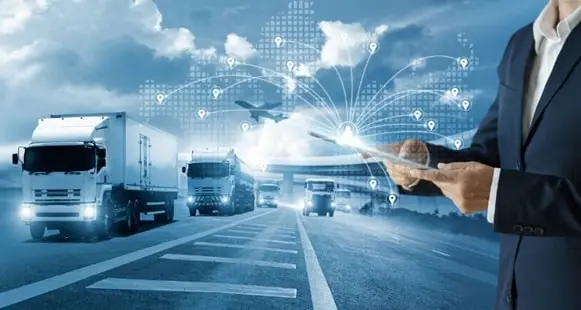
The Internet of Things, a network of interconnected devices that communicate and share data seamlessly, has found a significant application in the realm of fleet management. IoT devices, such as sensors, GPS trackers, and telematics systems, are being deployed to collect real-time data from vehicles, providing fleet managers with unprecedented insights into their operations.
Predictive Maintenance for Cost Reduction
One of the key areas where IoT is making a substantial impact is in predictive maintenance. Traditionally, vehicles undergo maintenance based on predetermined schedules, leading to under- and over-maintenance scenarios. With IoT, vehicles’ sensors can monitor various real-time parameters, such as engine health, tire pressure, and brake conditions. By analyzing this data, fleet managers can predict when a vehicle component will likely fail and proactively schedule maintenance.
This shift from reactive to proactive maintenance has profound implications for cost reduction. Unplanned breakdowns and repairs, often a significant source of unexpected expenses, are minimized. By addressing issues before they escalate, companies save on repair costs and prevent potential disruptions to their operations.
Fuel Efficiency Monitoring
Fuel expenses are a substantial part of a fleet’s operational costs. IoT plays a crucial role in optimizing fuel consumption by providing real-time insights into driving behavior and vehicle performance. Telematics systems equipped with fuel monitoring sensors track fuel usage, engine efficiency, and driver behavior. Fleet managers can analyze this data to identify inefficient driving patterns, address engine issues promptly, and optimize routes to reduce fuel consumption.
The impact of improved fuel efficiency on cost reduction cannot be overstated. As fuel prices continue to fluctuate, businesses that leverage IoT to enhance fuel efficiency can gain a competitive edge by maintaining tighter control over operational costs. Moreover, the positive environmental implications of reduced fuel consumption align with the growing emphasis on sustainability in today’s business landscape.
Smart Routing for Time and Cost Savings
Optimizing routes is another area where IoT is proving to be a game-changer. By integrating GPS data, traffic information, and historical route data, fleet management systems powered by IoT can recommend the most efficient routes for vehicles. Smart routing reduces travel time and minimizes fuel consumption and maintenance wear and tear.
For example, a delivery company using IoT-enabled fleet management can reroute vehicles in real-time to avoid traffic congestion, road closures, or other unexpected obstacles. This not only ensures timely deliveries but also contributes to overall operational efficiency. The cumulative effect of time and fuel savings from optimized routes directly translates into substantial company cost reductions.
Preventing Theft and Loss
Beyond operational efficiencies, IoT also addresses security concerns related to fleet management. Vehicle theft and cargo loss can be significant financial setbacks for companies. With IoT devices such as GPS trackers and geofencing technology, fleet managers can monitor the location of their vehicles in real time and receive alerts if a vehicle deviates from its designated route.
These anti-theft measures not only contribute to the reduction of potential losses but also impact insurance costs. Insurance providers often offer reduced premiums for vehicles equipped with anti-theft and tracking devices. By investing in IoT for fleet security, companies can experience a dual benefit of increased asset protection and lower insurance expenses.
IoT’s Role in Fleet-Related Accidents
While the primary focus of IoT in fleet management has often been on cost reduction and operational efficiency, it is crucial to highlight how these technological advancements are concurrently contributing to a substantial improvement in driver safety, especially in the unfortunate event of fleet-related accidents.
Real-time Incident Monitoring
IoT devices, including advanced telematics systems and onboard sensors, play a pivotal role in real-time incident monitoring. In the event of an accident, these devices immediately detect and transmit critical data such as impact force, vehicle speed, and location to the fleet management system. This data not only aids in rapid response and emergency services but also helps in reconstructing the accident for later analysis.
Immediate Notification and Emergency Response
With the integration of IoT, fleet managers can receive instant notifications in the event of an accident. This allows for swift and targeted emergency response efforts, ensuring that appropriate measures are taken promptly to assist drivers involved in accidents. Quick response times can be critical in minimizing injuries and preventing further damage to vehicles and cargo.
Driver Behavior Monitoring and Training
IoT enables continuous monitoring of driver behavior, providing valuable insights into habits such as aggressive driving, harsh braking, and speeding. By analyzing this data, fleet managers can identify high-risk behaviors and implement targeted driver training programs to address specific issues. This contributes to accident prevention and promotes a safety-conscious culture among drivers.
Collision Avoidance Systems
Many modern vehicles are equipped with collision avoidance systems that utilize IoT technology. These systems leverage sensors, cameras, and radar to detect potential collisions and either warn the driver or automatically intervene to prevent or mitigate the impact. In fleet management, the implementation of such collision avoidance systems has proven effective in reducing the frequency and severity of accidents, ultimately enhancing overall driver safety.
Post-Accident Analysis for Continuous Improvement
IoT devices facilitate detailed post-accident analysis, allowing fleet managers to investigate the root causes of incidents. By understanding the contributing factors, companies can implement targeted improvements in training, safety protocols, or even vehicle specifications. These modern upgrades will help both the drivers and the company in personal injury cases stemming from accidents. This iterative process of analysis and improvement enhances overall safety measures, making accidents less likely to occur in the future.
Challenges and Considerations
While the benefits of integrating IoT into fleet management are clear, it’s essential to acknowledge the challenges and considerations associated with implementation. Upfront costs, data security concerns, and the need for staff training are common hurdles that companies may face. However, the long-term cost reduction and operational efficiency gains often outweigh these initial challenges.
Future of IoT in Fleet Management
The integration of IoT in fleet management represents a paradigm shift in how businesses operate and manage their vehicle fleets. From predictive maintenance and fuel efficiency monitoring to smart routing and security enhancements, IoT is proving to be a versatile and invaluable tool for companies seeking to reduce overhead costs and enhance overall operational efficiency. As technology advances, IoT’s role in fleet management is likely to expand, offering businesses even more opportunities to achieve cost savings and maintain a competitive edge in the ever-evolving landscape of modern logistics.