In the dynamic world of project management, a “project” isn’t just a buzzword; it’s the fundamental building block of all endeavors, from launching a new product to constructing a skyscraper. Understanding what a project is, its components, and how it’s managed is crucial for achieving success in any field. In this comprehensive article, we will delve into the essence of a project in project management, unveiling its intricacies and why it’s pivotal for organizations and individuals alike.
Defining a Project
At its core, a project is a temporary endeavor with a defined beginning and end, undertaken to create a unique product, service, or result. These endeavors vary widely in scope, complexity, and purpose. Here are a few examples:
Building Construction: Constructing a skyscraper with specific features and functionalities within a set timeframe and budget.
Software Development: Developing a new mobile application with unique features and user experiences.
Marketing Campaign: Launching a marketing campaign to promote a new product in a targeted market.
Product Development: Designing and manufacturing a new gadget with specific technical specifications and market requirements.
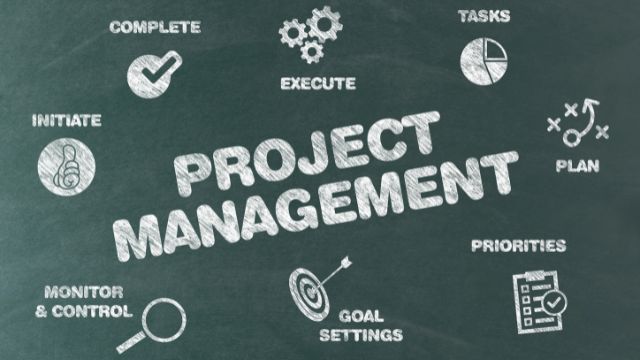
Characteristics of a Project
Projects possess distinctive characteristics that set them apart from day-to-day operations. Understanding these traits is crucial for effective project management:
Temporary: Projects have a specific and predetermined lifespan. They start at a designated point in time and conclude once their objectives are met or when it becomes clear that the goals cannot be achieved.
Unique: Each project is distinct and has unique goals, objectives, and requirements. Even if two projects share similarities, they will differ in some aspects, such as scope, stakeholders, or constraints.
Progressive Elaboration: Project details may not be fully known at the outset. Instead, they are progressively elaborated as the project team gains more information and insights during the project’s execution.
Cross-functional: Projects often require collaboration from individuals with diverse skills, backgrounds, and expertise. This cross-functional aspect adds to the complexity and richness of project work.
Resource Constraints: Projects typically operate within constraints, including time, budget, and resources. Effective management of these constraints is essential for project success.
The Project Life Cycle
Projects follow a structured life cycle consisting of phases that guide their progression from initiation to completion. While the phases may vary depending on the project management methodology used (e.g., Waterfall, Agile, or Hybrid), some common stages include:
Initiation: The project is formally authorized and defined. Stakeholders identify the project’s goals, objectives, and initial scope.
Planning: Detailed planning takes place, encompassing scope definition, scheduling, resource allocation, budgeting, risk analysis, and other crucial aspects.
Execution: This is the phase where the project work is carried out. It involves coordinating people and resources, monitoring progress, and making necessary adjustments.
Monitoring and Controlling: Project performance is tracked and compared to the plan. If deviations occur, corrective actions are taken to ensure the project stays on track.
Closing: The project is formally completed, and its outcomes are delivered to stakeholders. A post-project evaluation often takes place to assess the project’s success and lessons learned.
The Role of Project Management
Project management is the discipline that brings structure and organization to projects. It involves the application of knowledge, skills, tools, and techniques to meet project requirements and objectives. Here’s how project management contributes to project success:
Planning: Project managers create detailed plans that outline project scope, schedule, resources, and budgets. These plans serve as roadmaps for the entire project team.
Organizing: Project managers assemble teams with the right skills and expertise to execute the project. They also establish roles, responsibilities, and reporting structures.
Executing: Project managers oversee the day-to-day activities of the project, ensuring that tasks are completed as per the plan and that the project stays on track.
Monitoring and Controlling: Project managers continuously monitor project progress and performance. They use key performance indicators (KPIs) to identify issues and take corrective actions when necessary.
Risk Management: Project managers identify, assess, and mitigate risks that could impact the project’s success. They develop risk management plans to minimize negative impacts.
Communication: Effective communication is vital in project management. Project managers facilitate communication among team members and stakeholders to ensure everyone is informed and aligned.
Importance of Projects in Organizations
Projects play a pivotal role in the success and growth of organizations. Here’s why they are indispensable:
Innovation: Projects drive innovation by creating new products, services, or solutions. They allow organizations to adapt to changing market demands and stay competitive.
Efficiency: Projects enable organizations to improve processes, reduce costs, and optimize resources. By addressing specific objectives, projects contribute to overall efficiency.
Strategic Alignment: Projects are often aligned with an organization’s strategic goals and objectives. They help translate strategic plans into actionable initiatives.
Change Management: Projects often introduce change into organizations. Project management helps manage this change effectively and ensures a smooth transition.
Accountability: Projects have clear objectives and timelines, making it easier to hold individuals and teams accountable for their work and results.
Projects in Individual Endeavors
Projects are not limited to organizational settings; individuals can also benefit from adopting a project-based approach in their personal and professional lives. Here’s how:
Goal Achievement: Structuring personal and professional goals as projects can increase the likelihood of success. Projects provide a clear roadmap and timeline for achieving objectives.
Time Management: Projects help individuals prioritize tasks and allocate time and resources efficiently. This can improve time management skills.
Skill Development: Managing personal projects can lead to skill development and growth. It allows individuals to take on challenges and learn new things.
Adaptability: In a rapidly changing world, individuals who can effectively plan and execute projects are more adaptable and better prepared for unexpected changes.
Accountability: Personal projects foster a sense of accountability. When individuals commit to achieving their objectives, they are more likely to follow through.
The Future of Projects
As technology and business practices continue to evolve, so does the field of project management. Emerging trends and technologies are shaping the future of projects:
Artificial Intelligence (AI): AI and machine learning are being used to enhance project management by automating tasks, predicting project outcomes, and optimizing resource allocation.
Remote Work and Collaboration Tools: The rise of remote work has led to the adoption of advanced collaboration tools that enable teams to work together seamlessly, regardless of location.
Agile and Hybrid Approaches: Agile methodologies are gaining popularity, allowing for more flexibility and adaptability in project management. Hybrid approaches that combine Waterfall and Agile principles are also becoming common.
Sustainability: Sustainability considerations are increasingly integrated into project management. Projects are evaluated not only on their financial returns but also on their environmental and social impacts.
Blockchain: Blockchain technology is being explored for its potential to enhance project transparency, traceability, and security.
Conclusion
In the realm of project management, a project is more than just a temporary endeavor; it’s a structured and purposeful journey with defined goals and objectives. Understanding the essence of a project, its characteristics, and the role of project management is crucial for achieving success in organizations and personal endeavors.
Whether you’re a project manager leading a complex organizational initiative, a team member contributing to a project’s success, or an individual striving to achieve personal goals, the principles of project management and the concept of a project are invaluable. They provide a framework for planning, executing, monitoring, and closing endeavors efficiently and effectively.
As we navigate the evolving landscape of business, technology, and personal aspirations, the ability to conceptualize and manage projects will continue to be a skill of utmost importance. Embrace the world of projects, and you’ll find yourself better equipped to turn aspirations into reality and achieve remarkable success.